Truths That Set You Free
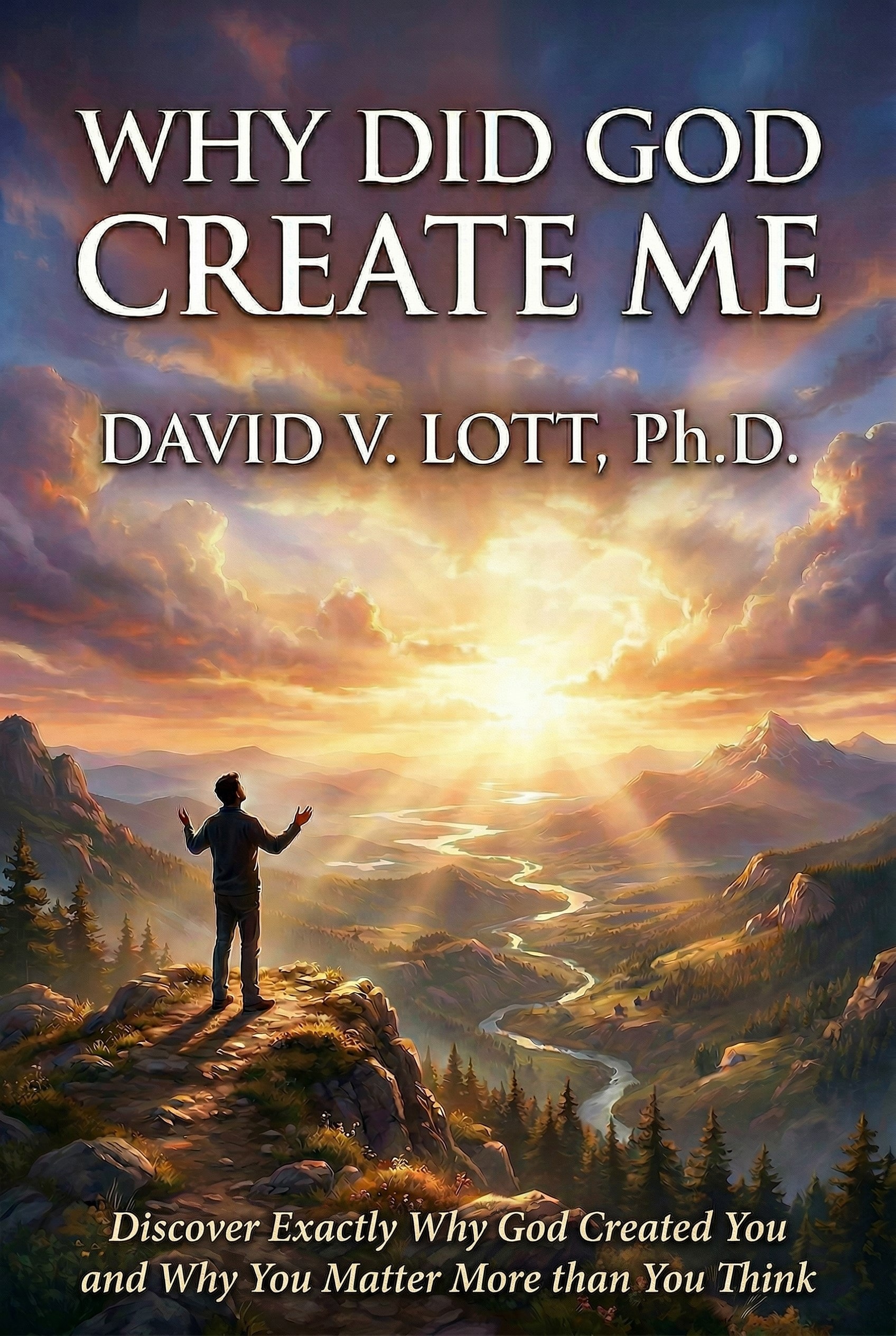
Why Did God Create Me?
Discover Exactly Why God Created You and Why You Matter More Than You Think
Few questions are more personal—or more important—than the question contained in the title of this book. Why am I here? Why did God create me, and what does He intend my life to become?
Why Did God Create Me? approaches those questions by beginning not with human ambition, achievement, or self-discovery, but with God Himself. Scripture presents human life as purposeful because it originates in the purpose of the Creator. Understanding why we were created therefore begins by understanding the God who created us, the relationship for which He made us, and the life He has made possible through Jesus Christ.
The Central Question
Why Am I Here?
People often search for purpose by asking what they should accomplish with their lives. They consider careers, relationships, possessions, influence, ministry, achievement, and the legacy they hope to leave behind. These questions matter, but they are secondary questions. Before asking what we should do, Scripture invites us to understand who we were created to be.
Human beings were created by God and for God. We were made in His image, created for relationship with Him, and given the remarkable privilege of representing Him within His creation. Sin distorted that purpose, but it did not cause God to abandon it. The biblical story moves toward restoration—toward men and women reconciled to God and increasingly transformed into the likeness of His Son.
Purpose, therefore, cannot finally be discovered by looking inward and asking what will make life feel significant. It is discovered by looking toward the One from whom life came.
The meaning of our lives begins with the intention of the One who gave us life.
The Beginning of the Story
Created to Reflect the Creator
The biblical answer to human significance begins in Genesis. Humanity enters the story of creation with a distinction given to nothing else God has made: men and women are created in the image and likeness of God.
That declaration gives human life both dignity and responsibility. Our worth is not established by wealth, intelligence, influence, appearance, productivity, or the approval of other people. It rests ultimately upon the intention of the Creator. Human beings matter because God determined that they would bear His image and live in relationship with Him.
Yet bearing God's image also points beyond dignity to vocation. Humanity was created to reflect God's character and exercise responsible stewardship within His world. We were not created merely to occupy space until death or to construct meaning for ourselves. From the beginning, human existence was given direction by God.
The Problem of the Fall
When Creation's Purpose Was Distorted
The opening chapters of Genesis also explain why human beings who were created with such extraordinary purpose so often experience alienation, confusion, dissatisfaction, and a persistent sense that something is wrong.
Sin did more than introduce individual acts of disobedience. It fractured humanity's relationship with God and distorted the way human beings understand themselves, one another, and the world entrusted to them. We continue searching for significance, but we frequently seek from creation what can ultimately be found only in the Creator.
Achievement can become identity. Possessions can become security. Approval can become worth. Pleasure can become purpose. Even religious activity can become an attempt to establish before God what He intends us to receive from Him.
Scripture's answer is not simply that people need a better purpose. We need reconciliation and restoration.
The Purpose of Redemption
Christ Does More Than Forgive the Past
The gospel does not merely solve the problem of where a person will spend eternity. Through Jesus Christ, God reconciles sinners to Himself and begins restoring what sin has damaged. Salvation brings the believer into a new relationship with God and establishes an entirely new identity from which life can now be lived.
Paul describes believers as God's workmanship, "created in Christ Jesus for good works" (Ephesians 2:10). The language is significant. Redemption involves creation again—not the abandonment of God's original purpose for humanity, but its recovery in Christ.
The Christian life therefore does not begin with an anxious search for some hidden assignment that will finally make us important. It begins with the recognition that our deepest purpose has already been established. We belong to God. We have been reconciled to Him through Christ. We are being transformed into the image of His Son, and we are invited to participate faithfully in the work He places before us.
Living with Purpose
Purpose Is Larger Than a Profession
Christians sometimes reduce the idea of calling to the discovery of one particular occupation, ministry, or life assignment. This can create unnecessary anxiety, especially when circumstances change or when life does not unfold according to our expectations.
Scripture presents something broader and more enduring. Our circumstances and responsibilities may change repeatedly throughout life, but the fundamental purpose of the believer does not. Whether working, raising children, building a business, serving a church, caring for another person, enduring suffering, enjoying retirement, or investing in another generation, the Christian lives from the same underlying reality: we belong to Christ and have been called to reflect Him faithfully where God has placed us.
Vocation matters, but vocation is not identity. Achievement matters, but achievement does not establish worth. Our usefulness to God does not determine whether our lives possess value.
We do not create our significance. We live from the significance God has already given us.
Questions the Book Addresses
- 01
What does it mean to say that human beings were created in the image of God?
- 02
Where does human worth come from, and can it be lost through failure or changing circumstances?
- 03
How did the Fall distort humanity's original purpose?
- 04
What does salvation in Christ restore about our relationship with God and our understanding of ourselves?
- 05
Is God's purpose for my life the same thing as discovering a particular career, ministry, or calling?
- 06
How does understanding why God created us change the way we approach family, work, stewardship, service, suffering, and the generations that follow us?
Key Biblical Texts
- Genesis 1:26–28
- Psalm 8:3–6
- Isaiah 43:7
- John 17:3
- Romans 8:28–30
- 2 Corinthians 5:17
- Ephesians 1:3–6
- Ephesians 2:8–10
- Colossians 1:15–17
- Colossians 3:1–4
- 2 Peter 1:3–4
- Revelation 22:3–5
Your life does not acquire meaning when you finally accomplish something important. Your life has meaning because God created you for Himself.
Why Did God Create Me? follows the biblical story from creation and the image of God through the Fall, redemption, identity, calling, and the life of the believer in Christ. Its purpose is to move the question of human significance away from changing circumstances and personal achievement and return it to the purposes of the Creator.
Continue Exploring Your Identity in Christ
Born Into Victory
The question "Why did God create me?" naturally leads to another: What became true of me when I believed in Jesus Christ? Born Into Victory develops that question through thirty-three positional truths that describe the believer's identity and standing in Christ.
Explore Born Into Victory→About the Book
Why Did God Create Me?
Discover Exactly Why God Created You and Why You Matter More Than You Think
David V. Lott, Ph.D.
Truths That Set You Free
Why Did God Create Me? examines one of life's most enduring questions through the larger biblical story of creation, Fall, redemption, and restoration. Beginning with humanity's creation in the image of God, the book explores the source of human worth, the distortion introduced by sin, the restoration made possible through Jesus Christ, and the purpose from which the believer can now live.
Rather than offering another formula for discovering personal significance through achievement, the book directs attention toward the Creator. It presents purpose not as something human beings must invent for themselves, but as something that becomes increasingly clear as they understand who God is, what He has done in Christ, and who they have become in Him.